


Together, we’ve changed state trails for the good


Here are three major ways WTA has shaped how our state cares for its public lands — with the help of nonprofit partners, champions in the state legislature and people like you.
In 1966, WTA began as a humble newsletter called Signpost. The past six decades have seen plenty of changes to WTA and Washington state’s lands and trails. One thing that hasn’t changed — WTA’s core belief that the people who experience Washington’s unique and beautiful landscapes will protect these places for future generations.
Here are three ways WTA has shaped how our state cares for its public lands — with the help of nonprofit partners, champions in the state legislature and people like you.
WTA brings hikers to Olympia for the first time
Late in 2006, with only 3 months to plan, newly hired Kindra Ramos began to organize WTA’s first lobby day to bring hikers to Olympia to meet with their state legislators. It was an experiment to see if people would attend and if legislators would listen to the priorities hikers shared around funding for trails, signage, parking and campgrounds.
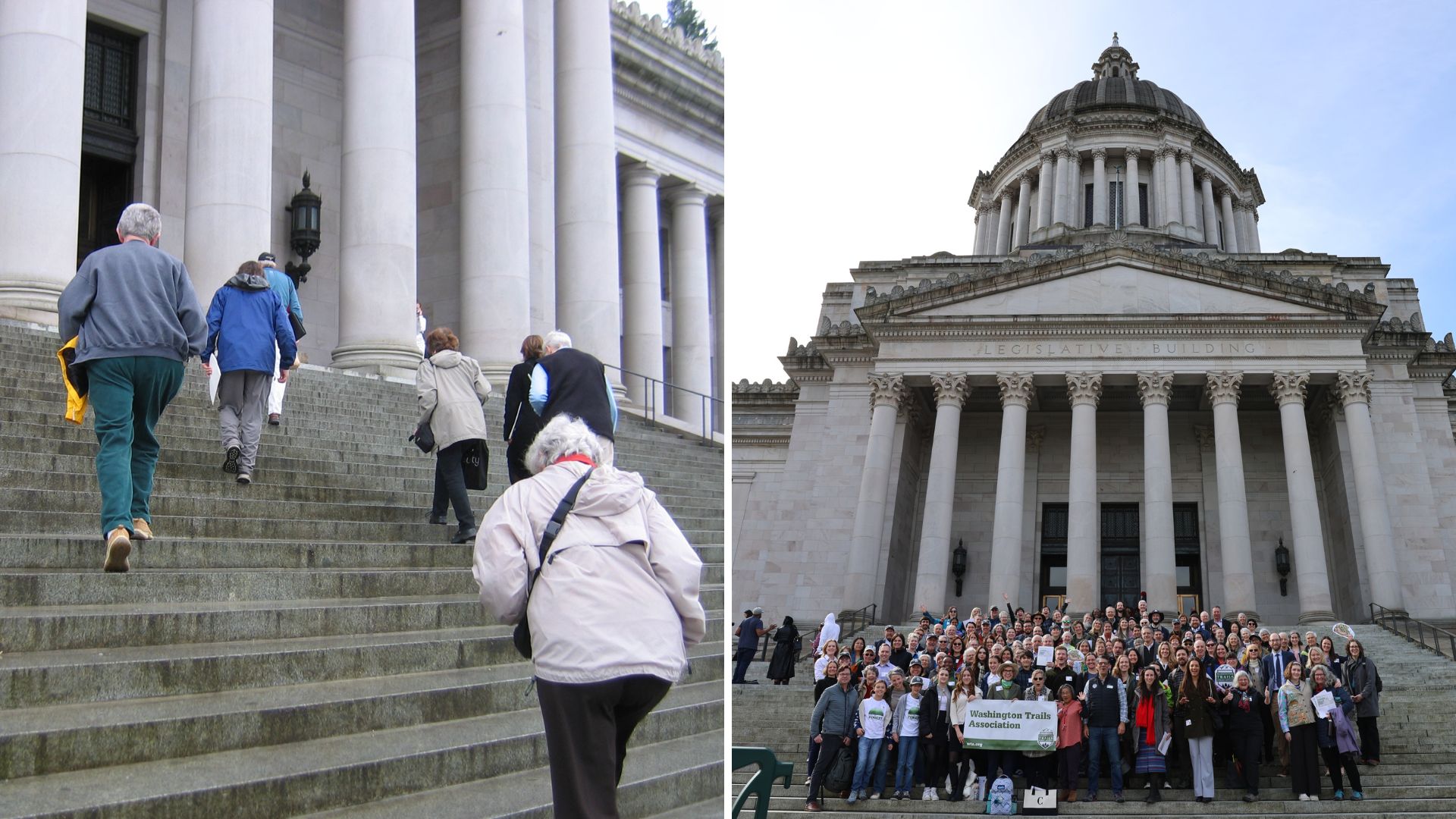 WTA’s lobby day, which brings individuals to Olympia to speak up for trails started in 2007 with 30 people. In 2025, 150 people participated. Photo at left by Lauren Braden; photo at right by Victoria Obermeyer.
Kindra sent invitations, scheduled meetings and, most importantly, convinced hikers that it would be worth their time to spend a day in Olympia. Thirty people attended WTA’s first lobby day in 2007. When attendees and WTA staff saw the impact that real people’s voices could have, it grew from there.
Fifty people joined in 2008, including a board member who drove 5 hours from Spokane. Members of Back Country Horsemen of Washington also attended that year. They had heard about WTA’s lobby day and wanted to add their voices to the call to care for our state lands.
“There is a sense that one person can’t make a difference, but the truth is there are so many issues before the state legislature at any given time, that a few voices can help bring attention to an issue,” Kindra said.
Kindra still works at WTA, now as the chief programs officer. She no longer organizes Hiker Rally Day, but she still gets to attend and see the legacy she helped create.
“WTA has been involved in everything from ensuring the creation of the Discover Pass was as fair and balanced as possible to the big wins of $5 million annually for each state land management agency to maintain trails and other recreation infrastructure on their lands. Our work has helped fund state lands so they are safe and accessible to the public. People’s voices helped give legislators the encouragement they needed to make these things happen,” Kindra said.
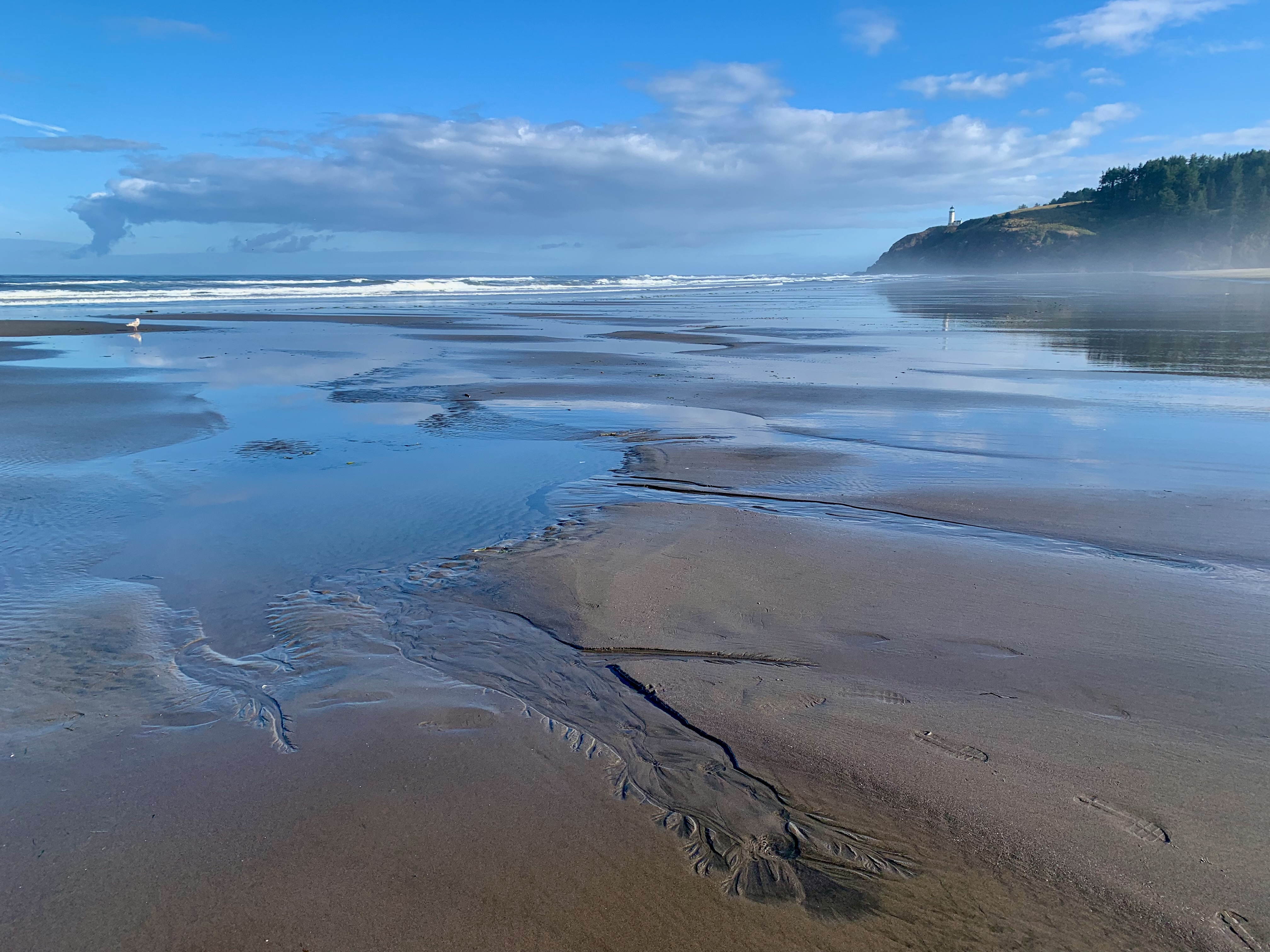 WTA’s state advocacy supports lands that are managed by Washington State Parks, Department of Natural Resources and Department of Fish and Wildlife. Photo of Cape Disappointment State Park by Ray Pfortner.
At WTA’s most recent Hiker Rally Day in 2025, Ann Marshall, the daughter of WTA’s founder Louise Marshall, joined 150 other outdoor enthusiasts in Olympia to speak up for funding for our state parks and recreation lands.
“I was so excited to be part of Hiker Rally Day. It was my reaction to the November elections because I could see the threat to recreation and trails and wildlands. And I thought, ‘oh my gosh, what can I do?’ And there was Hiker Rally Day just waiting for me. It was very gratifying to go and be part of that. It was easy. It was fun. I did something. I felt great about that,” Ann said.
WTA achieves new funding for trails
These days, Hiker Rally Day happens in odd-numbered years because that’s when legislators write the full two-year state budget and the legislative session runs longer. Each year during the state legislative session (whether there’s a Hiker Rally Day or not), WTA talks with lawmakers to elevate hikers’ voices and highlight the importance of the outdoors to life in Washington state.
Our consistent presence in Olympia lays the groundwork that makes big wins possible. And it means we have the inside knowledge to let you know the best times to speak up for the outdoor places you love.
One of the biggest wins for Washington’s trails came in the 1980s: directing funding from the Nonhighway and Off-Road Vehicle Activities (NOVA) program to trails. Since being part of NOVA’s creation, WTA has worked for decades to improve the program and its ability to get people outside.
In 1984, the Governor’s Recreation Resource Advisory Committee reported that the state’s funding for outdoor recreation did not meet the demand. WTA led a task force of partners to tackle this problem and find new funding. This paid off in 1986 when the state legislature created a new source of funding for trails through the Nonhighway and Off-Road Vehicle Activities (NOVA) program.
At that time, one percent of the state’s tax on gasoline was going towards motorized outdoor recreation, like ATV use. In 1986, the state legislature changed it so the revenue from this tax went to projects for motorized recreation (80%) and also non-motorized recreation like hiking (20%).
 In 2024, NOVA funded 18 trail projects, including improving the parking lot and trailhead for Talapus Lake. Photo by trip reporter Old Rod.
WTA saw the improvements made possible by this new funding and continued to advocate for NOVA to support trails and other nonmotorized recreation. In the late 1990s, we gathered a coalition of organizations whose goal was to distribute NOVA funding more equitably. Based on that coalition’s work, the state decided a fuel use study would help determine who was paying for NOVA and where that funding should go.
In 2002, a fuel use study found that off-road motorized users were paying 20% of the taxes that funded NOVA, while off-road motorized projects received 80% of the funding. The state pulled together an advisory committee. As part of that committee, WTA worked with organizations representing mountain bikers, horseback riders, off-road vehicle users and land managers to make recommendations for changes to NOVA that would distribute the funds more equitably.
WTA and the committee worked with different types of outdoor users and political parties to draft recommendations that became law in 2004. After that, NOVA funds were distributed to better reflect the findings of the fuel use study, putting 20% towards motorized projects and 80% to non-motorized trails and outdoor recreation.
Today, NOVA provides millions of dollars in grant funding to build new trails, maintain existing trails, care for campgrounds and educate people about getting outside in ways that are safe for them and the landscape.
New funding for trails — again
With all the good NOVA brings to outdoor experiences in Washington, our state parks and recreation lands still need more funding than they receive. Our three big state land managers — Washington State Parks, Department of Natural Resources (DNR) and Department of Fish and Wildlife (WDFW) — have backlogs of maintenance projects for trails, campgrounds and bathrooms that add up to hundreds of millions of dollars.
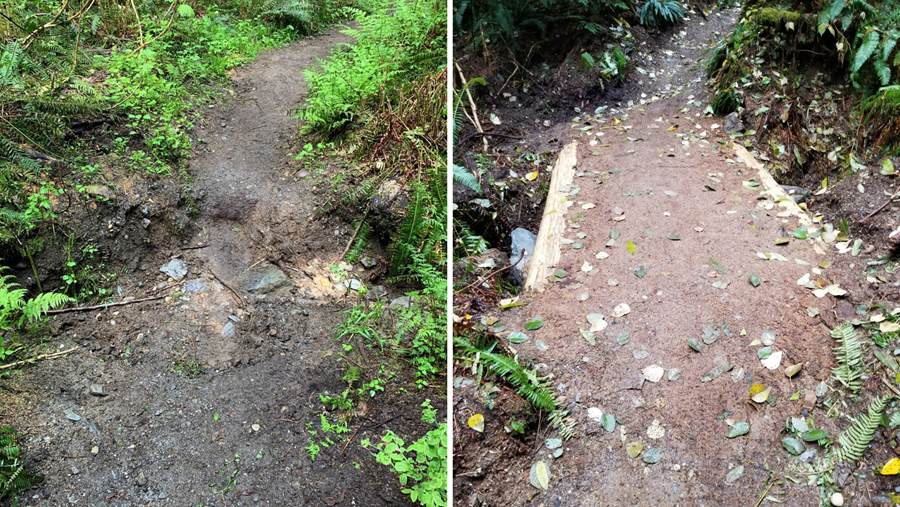 Maintenance funding pays for fixes that keep hikers safe, protect surrounding nature and save the state money in the long run, like this trail improvement at Blanchard State Forest. Photo courtesy of Washington Department of Natural Resources.
Regular maintenance costs less money in the long run. When projects are delayed due to lack of funding, routine maintenance can turn small issues into large projects with big price tags.
For years, WTA heard about this maintenance backlog from our partners at State Parks, DNR and WDFW. In 2020, we brought together the Trust for Public Land, state lawmakers and other interested parties to find solutions to this problem.
Based on this work, another huge win for trails came in 2022. After hearing from WTA, our partners and over 900 individual hikers, the state legislature passed new funding: $15 million annually for maintenance and operations of our state parks and other recreation lands.
“Truly incredible” and “kind of unbelievable” are how Andrea Martin, recreation policy manager at DNR described this new-found funding.
This funding was provided ongoing in the state budget, meaning each year it's available — making it easier and safer for people to get outside on state lands (and better protecting those places).
Trails are important — funding should reflect that
WTA’s work over the years is moving us towards an ultimate goal. WTA wants reliable funding for our state’s trails and public lands that meets the needs of everyone looking to get outside. Funding creates and maintains infrastructure so people can get outdoors in ways that protect the landscape.
We are not alone in this goal. Over time, more people are visiting our state lands. State land managers are thinking in new ways and putting more focus on sustainable recreation.
That goal is personal. We want to continue to experience the joy of hiking. The same as in 1966, WTA is run by people who love the outdoors for people who love the outdoors. This includes staff, volunteers, members and advocates. The goal is also collective, we have that same wish for the rest of the state, and the next generation.
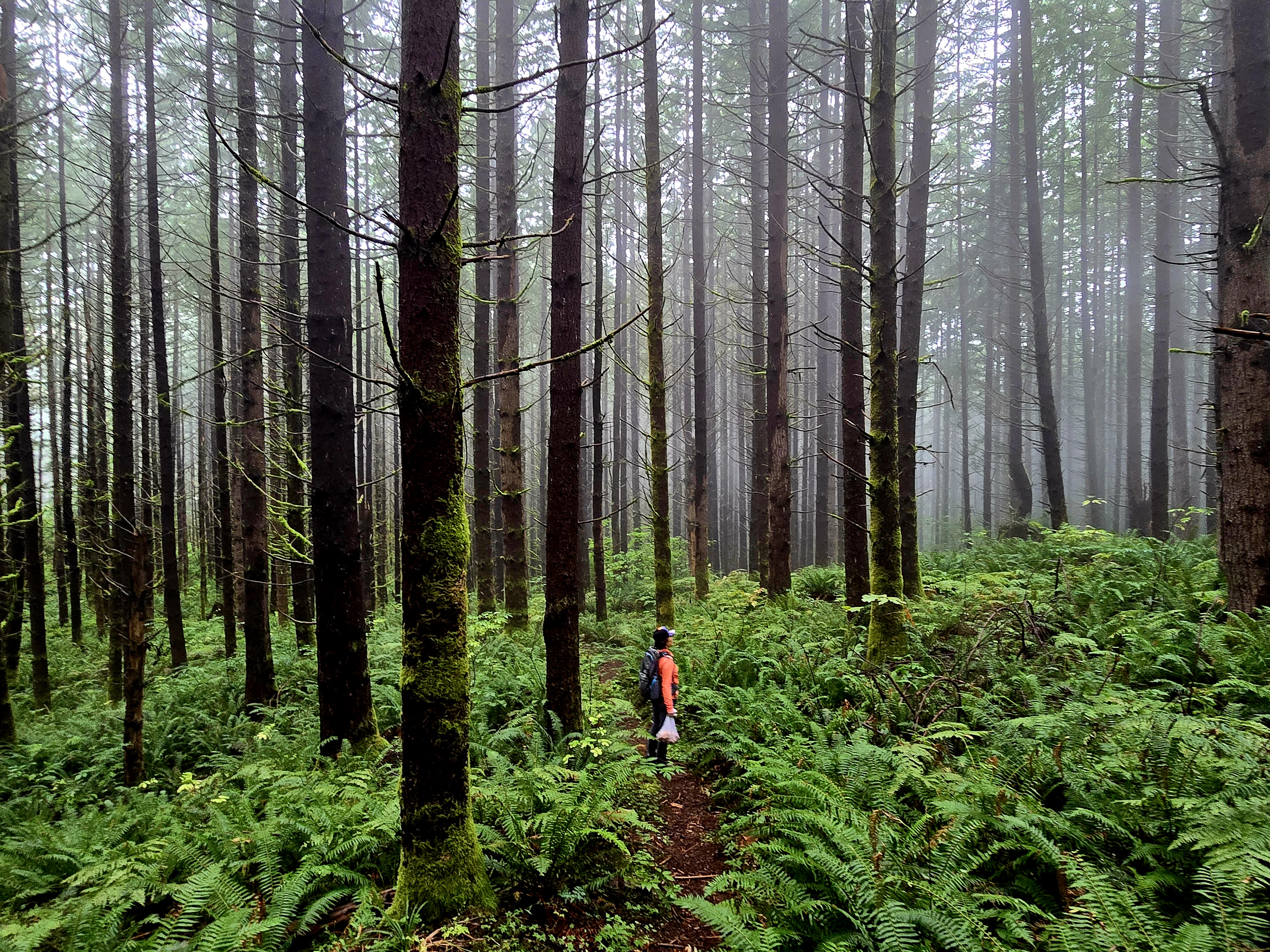 Access to the outdoors is essential to life in Washington state, supporting our mental health, physical health and economy. Photo by Dan Labuda.
We know what trails mean to our state. According to the Washington State Recreation and Conservation Office, 90 percent of Washington residents hike and walk, or use mobility devices, on trails. Trails and outdoor places are a key piece of our state’s economy and are essential to the physical and mental health of our communities.
We are grateful for hikers who have spoken up over 6 decades to get us to where we are today.
And we have further to go to create a state whose budgets and policies reflect the true importance of access to the outdoors. Thank you to everyone who has and will join us on this journey — we are excited about the work ahead.
Sonny Jordan, one member of WTA’s Trail Action Network said, “Our actions now will impact the future of the lands we want to protect.”
Comments