


Report reveals Forest Service suffering from staffing cuts, trails at lowest maintenance levels in 15 years


According to a new U.S. Forest Service report, trail maintenance suffered dramatically in 2025 as a result of staffing cuts. The money to hire trail staff already exists. You can contact Congress and ask that the Forest Service be allowed to hire seasonal staff in 2026.
Staffing cuts at U.S. Forest Service led to 22% decrease in the miles of trail maintained in 2025. The lack of staff is leading to "unpassable trails, unsafe bridges and negative environmental impacts."
- Take action to help the Forest Service hire seasonal trail staff and wilderness rangers for this summer.
By Michael DeCramer
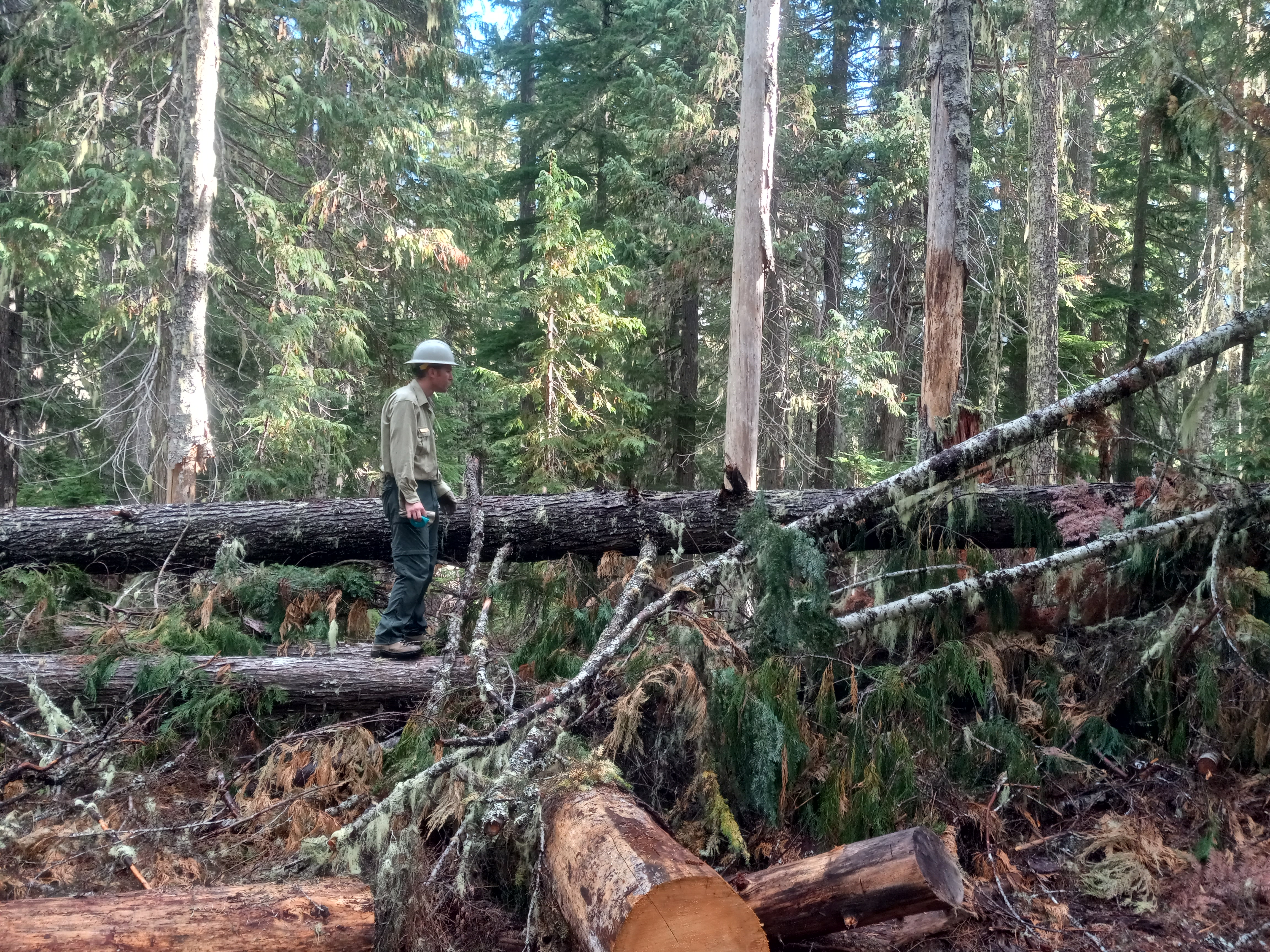 Photo by Melissa Davis.
The U.S. Forest Service manages 164,000 miles of trails across the country and more than 9,281 miles in Washington. That's more miles of trails than any other land management agency in our state, far more than the National Park Service. Maintaining the finest trail system in the world requires the dedication of federal workers and volunteer partners. Unfortunately, in the last year, the Forest Service staff devoted to trail maintenance have been severely impacted by layoffs, hiring restrictions, budget cuts and other policies designed to make it harder for them to do their jobs.
In December, a Forest Service internal analysis showed trail maintenance suffered dramatically in 2025 as a result of the staffing cuts that limited the ability of the agency to maintain trails and related infrastructure. While not news to hikers in Washington, the report puts stark numbers to the trend we've seen on trails and in the backcountry. We need your help to contact Congress to advocate for trails on our national public lands.
Forest Service staff cuts hurt trails and hamper volunteer efforts
The Forest Service 2025 report shares that:
- Some ranger districts have lost 100% of their trail staff.
- Vacant roles and restrictions on seasonal hiring are preventing trail maintenance.
- Staffing cuts led to a 22% decrease in the miles of trail maintained in 2025.
- Many AmeriCorps and Youth Conservation Corps programs are no longer available.
“The agency is losing out on tangible partner and volunteer contributions without staff to coordinate and provide technical oversight. While partners and volunteers augment capacity, they cannot entirely replace agency staff,” the Forest Service report says.
From its start in the 1990s, WTA’s trail maintenance program was designed to complement the work of the Forest Service and other land managers. We rely on the expertise and high-level coordination of Forest Service staff to make our work possible.
“WTA crews did outstanding work to maintain trails in Washington in 2025," said WTA’s trail programs director Jen Gradisher. "Volunteers contributed more than 115,900 hours of their time to building and maintaining trails systems. WTA worked closely with the Forest Service to continue to implement priority trail maintenance work, but we had to pivot away from some key projects because the Forest Service did not have the staff capacity to collaborate with our crews. Over the course of the year, we experienced long delays in finalizing agreements with the federal government. At times our federal partners were visibly exhausted by their efforts to do multiple jobs at one time, due to the loss of staff positions.”
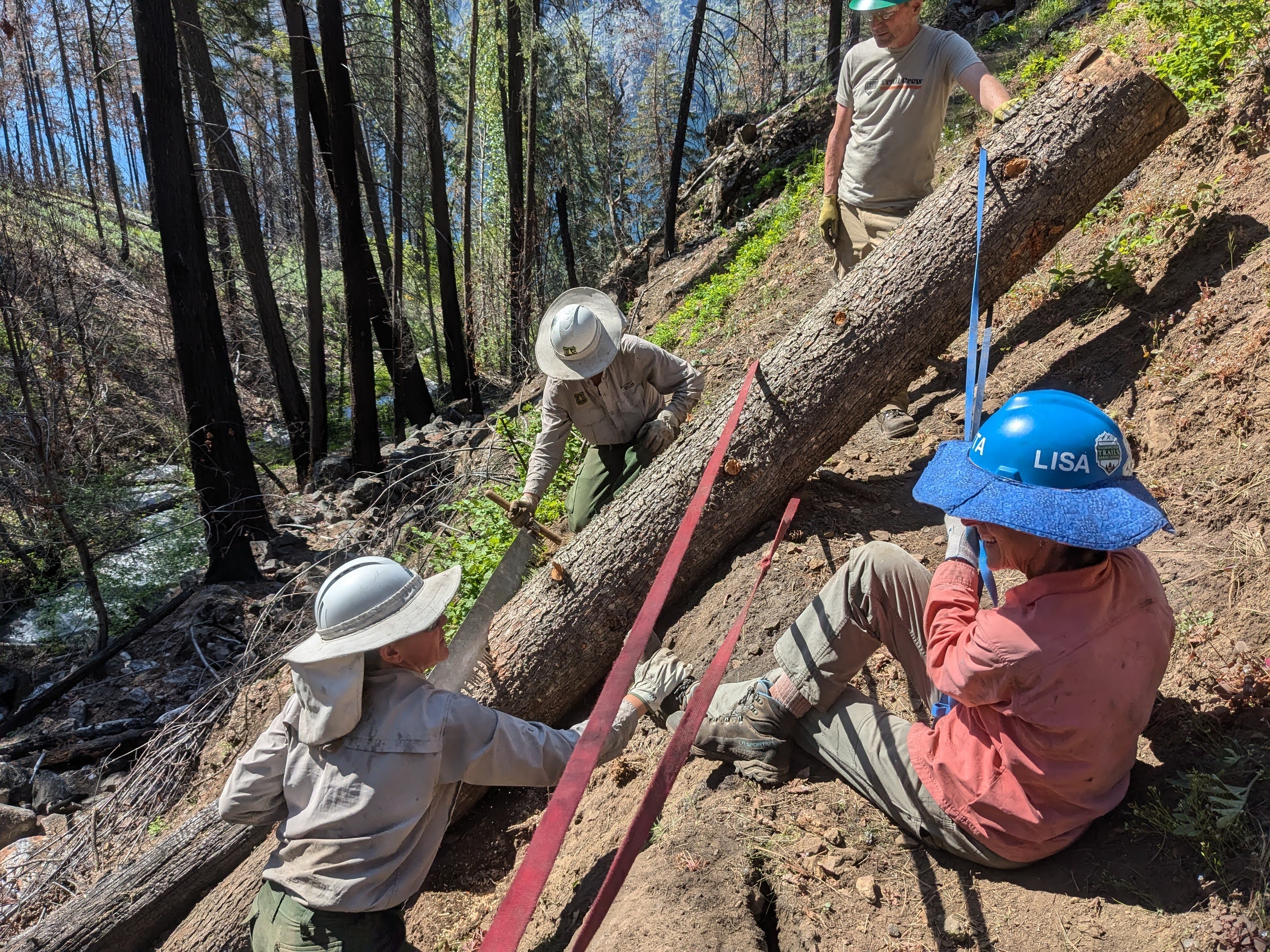 Photo by Lisa Black.
Staff cuts and lost skills lead to “unpassable trails, unsafe bridges”
The report underscored how actions by the federal administration have eliminated trail-focused positions in the Forest Service and undermined the agency's expertise in managing backcountry projects. Some of those lost skills include: operating equipment, performing traditional construction techniques like rock wall masonry, volunteer coordination and project management.
“Lost skills are weakening the agency’s ability to implement technical projects and oversee partner, volunteer and contractor work, which is leading to unpassable trails, unsafe bridges and negative environmental impacts,” the report says.
One example that the report calls out is the loss of positions devoted to using pack mules to move supplies into the wilderness, which is putting that key program at risk. WTA has historically relied on Forest Service pack animals to support volunteer crews in remote areas. The loss of this support would make maintaining trails and bridges in places like the Alpine Lakes Wilderness incredibly challenging, and force the agency to use more expensive options for moving tools and supplies.
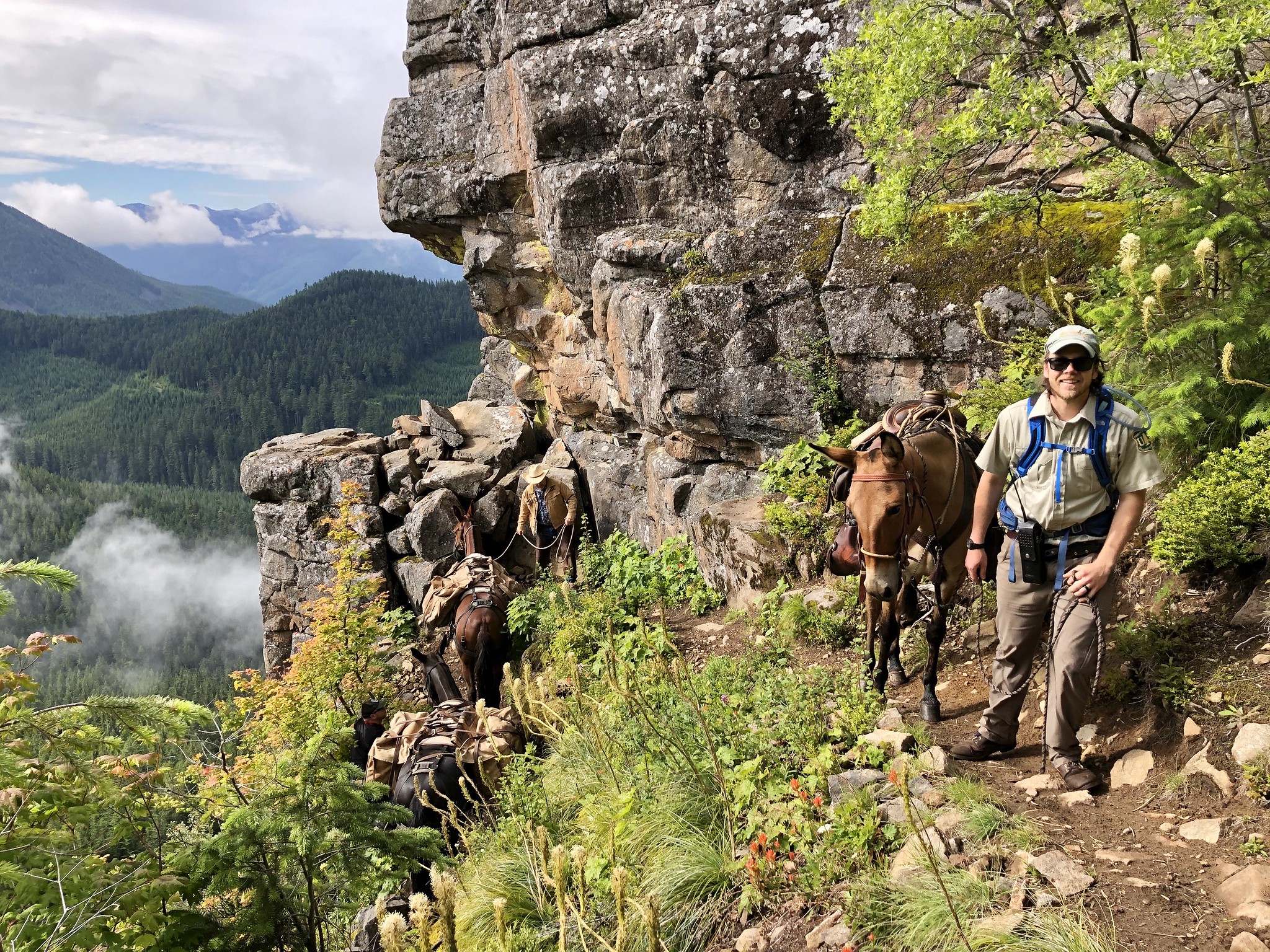 A U.S. Forest Service volunteer assists a team of mules and their handler in transporting improvement supplies up a steep trail to a fire lookout in the Mt. Baker-Snoqualmie Ranger District. Photo by Catherine Mitas.
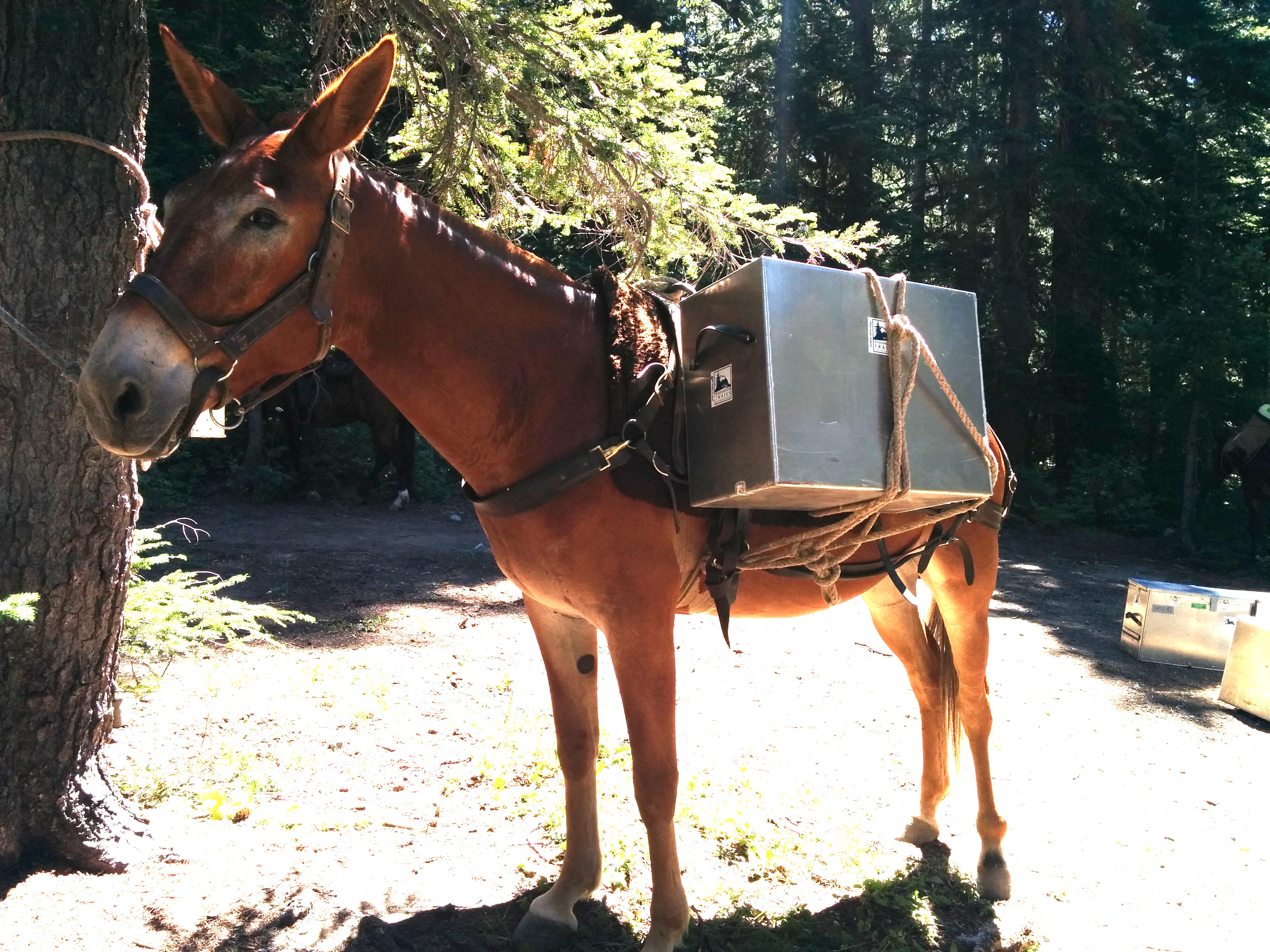 In July 2015, a professional Forest Service mule packer hauled supplies to resupply crews of WTA volunteers working out of Esmeralda Basin on trails leading into the Teanaway. Photo by Loren Drummond
Burnout and low morale in Washington state: “24 years of trails and wilderness work rolling back to the bottom of the hill”
The report notes that the agency is experiencing “widespread burnout and declining morale.” One district trail manager told the Washington Office of the Forest Service, “To be honest, I heavily lean towards quitting and reinvention if we go another summer without seasonals. I have never lacked for motivation for trail work until now … it feels like we are on the verge of not passing anything on for the future, and that feels like 24 years of trails and wilderness work rolling back to the bottom of the hill.”
The U.S. Forest Service’s trail system is the best in the world. We cannot let this trend of losing skills and staff continue. At current staffing levels and with existing challenges, the Forest Service found that “many [ranger] districts are unable to conduct basic trail maintenance. Front-country trails are being prioritized; backcountry trails are being abandoned. Deferred maintenance is exponentially compounding.”
Like maintaining a house or car, regular small repairs and upkeep are far more efficient and cost-effective than trying to rebuild after years of neglect.
“One year of deferred maintenance can take multiple summers of focused effort to undo,” said Joe Olbrych, WTA’s Puget Sound field manager. “We need the Forest Service to be better staffed in 2026 than they were in 2025.”
In 2025, there were instances where the Forest Service had funding available, but they were not allowed to hire staff and accomplish trail maintenance projects.
Having access to trails is part of what makes Washington such an incredible place to live. Trails are important to our country and our way of life. Trails make it easier for people to spend time outdoors, appreciate landscapes, visit iconic places and connect with ourselves and others. We need trails, and trails need Forest Service staff doing what they do best.
Take action to help get seasonal staff hired
Join fellow hikers in taking action today to help the Forest Service hire seasonal trail maintenance staff this year.
Urge your Congressional representatives to reach out to the Secretary of Agriculture.
Get seasonal staff working on trails this season:
- Members of Congress can request that the administration make recreation and trails a priority by authorizing temporary seasonal hiring and expediting the hiring process, especially for trail crew and wilderness positions that are externally-funded.
- Additionally, let Congress know that the Forest Service should allow for the extension of externally funded and disaster-funded permanent seasonal employee (PSE) positions, so that the Forest Service can better utilize its existing workforce.
- Finally, the administration must exclude temporary seasonals from agency headcount requirements so that hiring seasonal trail crew positions does not undermine the agency's ability to staff other necessary positions within the Forest Service.
Read more
Late last year, the Washington Post reported on an internal Forest Service report.
Comments