 Washington Trails
Association
Washington Trails
Association
Trails for everyone, forever
Washington Trails
AssociationTrails for everyone, forever
As maintenance funding for forest roads is dwindling, we are losing our ability to reach parts of Washington’s amazing outdoors. Learn what WTA is doing, and how you can help.
We need more than trails to get us outside. With the exception of local trails that are walkable from home, we need roads to get us to trailheads. For Washington to have a statewide network of trails to serve everyone who wants to get outside — from barrier-free trails and family-friendly hikes to multi-day backpacking trips — we need roads to get us there.
We have work to do. Maintenance funding is dwindling at the same time roads are at risk of increased erosion and landslides due to more severe storms and more frequent wildfires. As more roads are damaged and there’s no money to repair them, we are losing our ability to reach parts of Washington’s amazing outdoors.
But, if everyone who enjoys the outdoors speaks up, we can get the funding that our landscapes — and the roads that get us there — need.
As you head out for summer hikes that have been under snow since last summer, you may be thinking about roads, especially if you are navigating ruts, potholes and paint-scratching overgrowth. You are not alone. In WTA’s 2024 survey on forest road conditions, 92.6% of hikers surveyed reported that road conditions were either a factor, or a main consideration, in determining where they hike.
The U.S. Forest Services manages more miles of road than are in the U.S. highway system. For decades, national forests and their network of forest roads have been underfunded. Without enough funding for maintenance, road conditions worsen, potholes multiply and ruts deepen. Over time, that leaves roads unsafe and even unpassable. In some cases, when roads fail catastrophically during a flood, that failure could have been avoided if there had been funding for preventative maintenance.
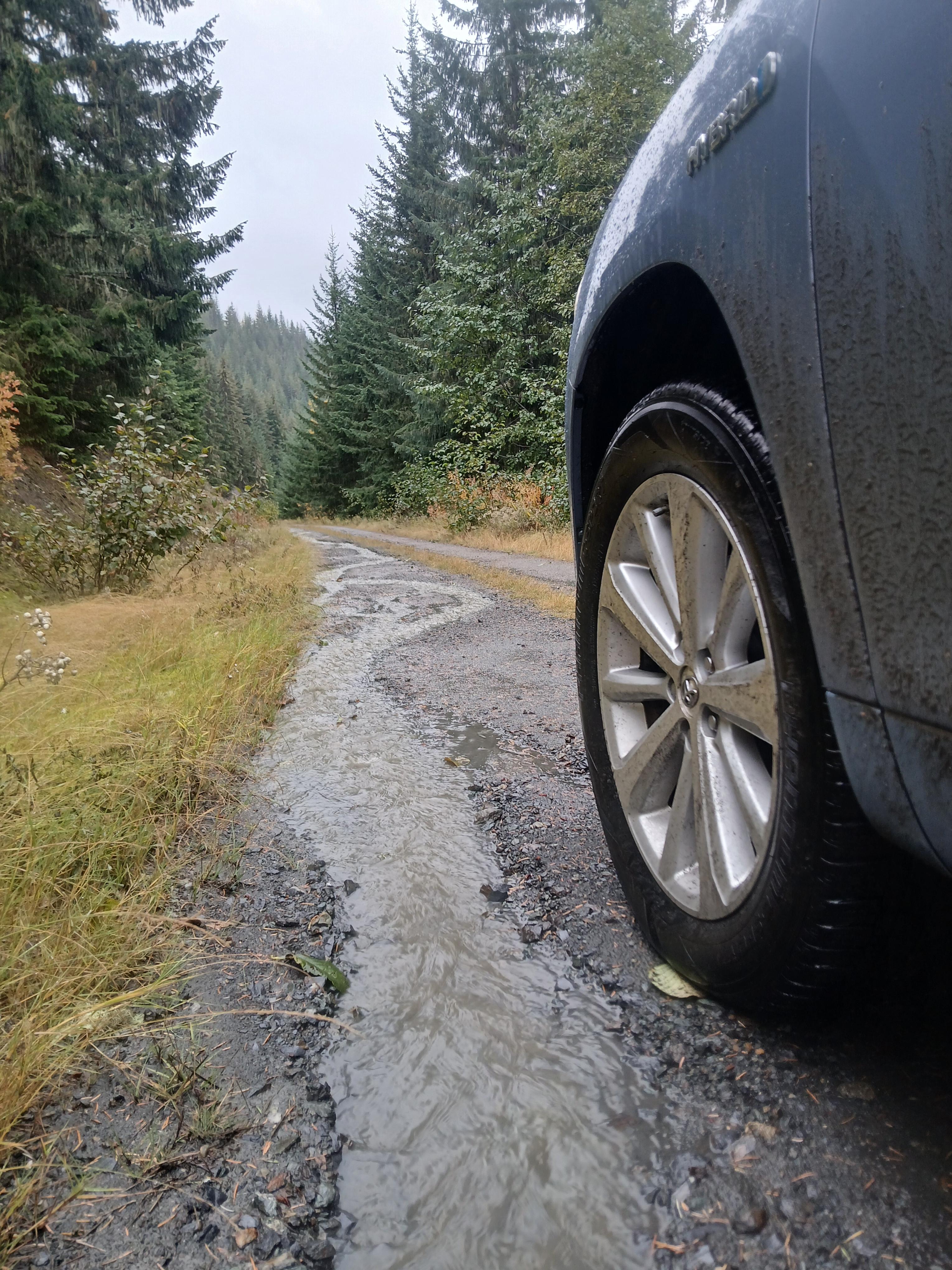 Over time, lack of maintenance leads to roads that are unsafe and even unpassable. Photo by WTA staff
In 2026, the backlog of deferred maintenance for forest roads nationally is nearing $6 billion. It’s the largest category of needed maintenance for infrastructure in our national forests.
This problem is about more than a bumpy ride or a scratched car. Forest road funding is about safety and access:
It’s hard to see the statewide impact of underfunded roads, which led WTA to create a report, Eroding Access to Our Public Lands, that helps us talk with hikers like you and legislators who make budget decisions about the importance of funding roads that get us to trailheads.
When roads are properly funded, people are able to get outside for our mental and physical health — and those outdoor trips boost Washington state’s economy. Each year, getting outside saves $390 million in healthcare costs for people in Washington. People recreating outdoors contributes $25.2 billion every year to our state’s economy, supporting jobs and small towns.
This past winter’s severe storms did exceptional damage to communities and infrastructure, including roads that get us outside. One impact: the Suiattle River Road washed out. Until the road is repaired, it will be difficult to access large portions of Glacier Peak Wilderness and many outstanding trails.
In some cases, roads damaged this winter were already struggling. In our 2025 roads report, WTA highlighted maintenance issues for Hart’s Pass Road in the North Cascades and the Middle Fork/Dingford Road near Snoqualmie Pass. This winter, they took extra damage. Hart’s Pass Road washed out at the Monument Creek trailhead. The Forest Service hopes to repair it this summer so people can once again reach the northern terminus of the Pacific Crest Trail.
The Middle Fork/Dingford Road is still technically drivable, but it’s a stretch even with a high clearance vehicle. Even before this winter, WTA staff reported that road conditions limit their ability to recruit volunteers for backcountry trail work at this location. See for yourself in this video:
Roads ultimately determine our ability to reach our public lands, and WTA is leading the charge on funding for forest roads.
By working together, we can make forest roads safe and accessible, so they are ready for your next hike and for future generations to experience the outdoors.


