 Washington Trails
Association
Washington Trails
Association
Trails for everyone, forever
Washington Trails
AssociationTrails for everyone, forever
Protecting your food is important for you — and for wildlife. | By Sandra Saathoff
Backpacking food can be an amazing experience — everything tastes so much better on trail! A hot meal at the end of a long day helps refuel our weary bodies. Some of us can’t live without our warm mug of caffeine in the morning. Hiking is an opportunity to savor favorite snacks. But what happens if your cheerfully packed food bag is lost, damaged or destroyed? Suddenly you’re hungry and miles — sometimes many miles — from civilization. Oh, the horror! Don’t let it happen. Let’s look at the potential threats to our food stores and options for keeping them safe.
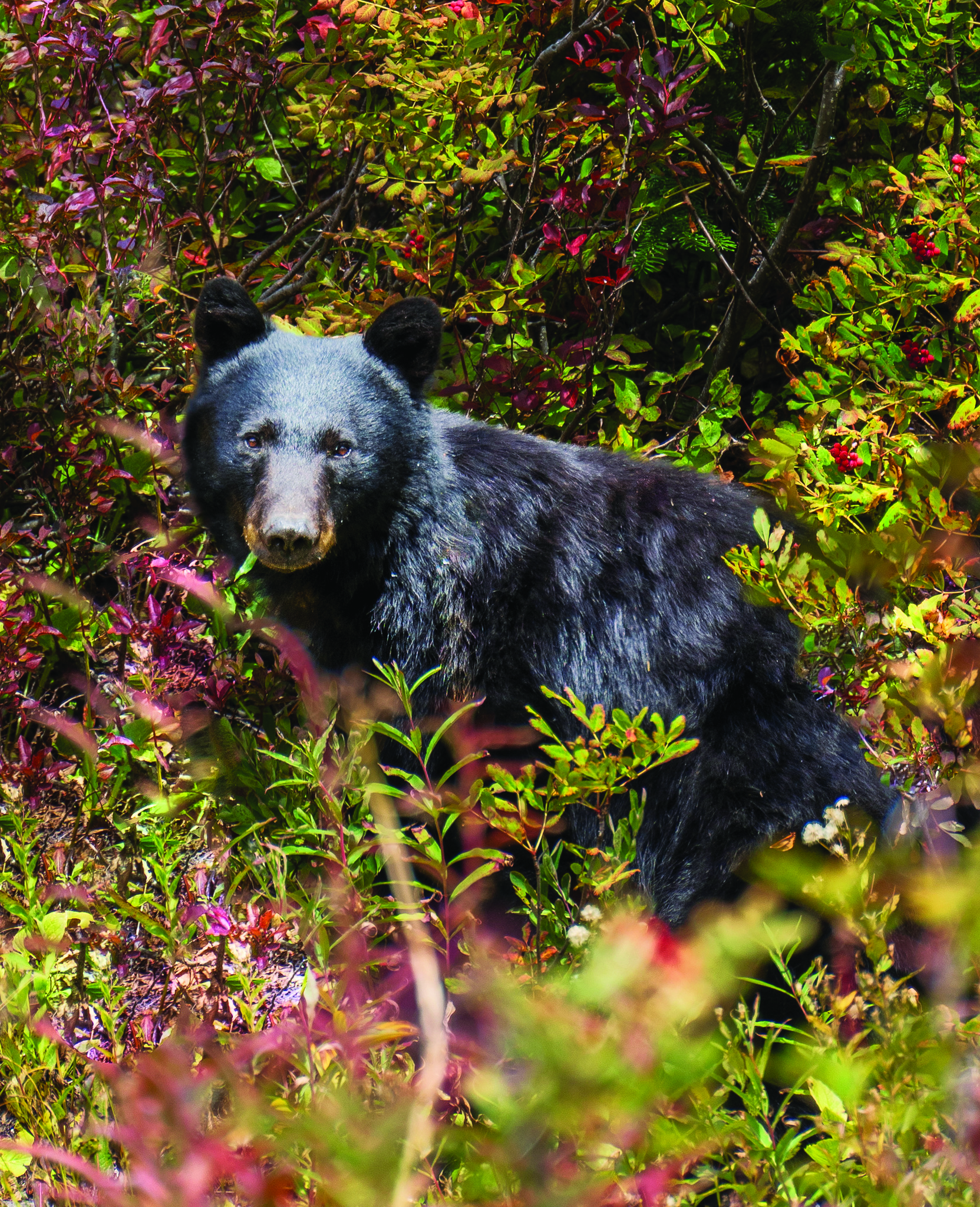 Care for bears! Be sure to follow LNT practices and guidelines for the area your hiking to keep you and our forest friends safe. Photo by Steve Kennedy.
The more common actual threat is mice and their relatives. Washington is full of those! While bears might be more intimidating, mice, squirrels and other small mammals can be equally destructive to our food supply. They are adept at chewing through tents and food bags — even into backpacks. And they can be very bold, depending on whether they’ve come to associate people with food.
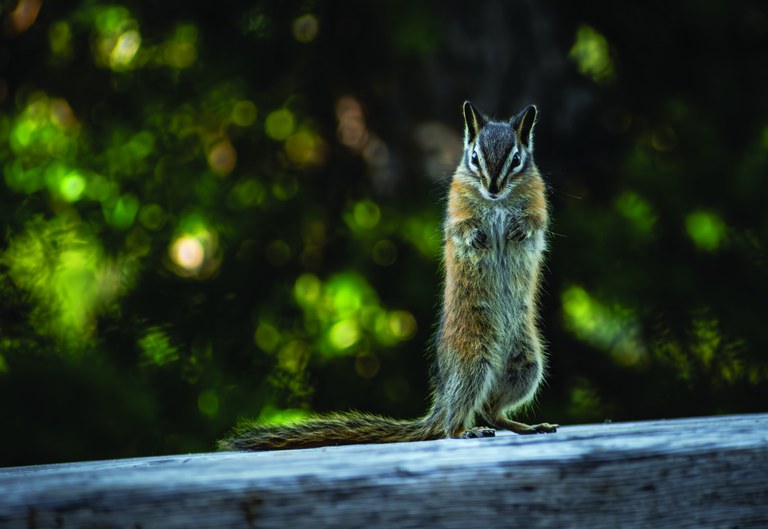
Cute and sneaky, be sure to clean out even the smallest crumbs from your pack to avoid getting holes in your pack. Photo by Vanessa Story.

Don't forget these cute little guys also have finger like paws that can easily open jars and similar containers to access the treats you bring on trail. Photo by Molly Cvetovac.
Thankfully, there are great options for keeping our food safe, including waterproof bags, Ursack-style bags, bear canisters and, depending on where you’re hiking, sometimes bear lockers or bear wires.
These bags come in various sizes and are usually made with water-resistant or waterproof material. All food and other smelly items (cooking vessels, chapstick, etc.) go inside at night and the bag is hung in a tree using a “bear hang.” See wta.org/bearhang for instructions.
Pros: Waterproof bags are lightweight and packable, as well as inexpensive ($10–$30). They protect against the weather and come in multiple size options to suit how much food you need.
Cons: These bags offer no protection against wildlife. If an animal reaches the bag, it can get in. They can be punctured or torn. If you use this method, you need to be adept at the bear hang. Additionally, in some areas, bear hangs are not allowed or not practical.
Ursacks were developed with bears in mind. They’ve been tested and certified. They also offer significant protection against rodents.
Pros: Though heavier than a waterproof bag, they are only about half a pound of extra weight. The bags are flexible and packable. They’ve been proven against bears and rodents, as long as you follow the tying and placement instructions. Placement is much easier than a bear hang, and Ursacks can be used in locations that don’t have big trees.
Cons: Ursacks do require careful knot tying. They are not approved in all parks and wilderness areas. Their price point is higher as well, at $85 to $125.
These are hard-sided containers made of hard plastic or metal that are used to store food and other scented items. They are required in some areas and are popular where bears are more likely to be around humans. They work against rodents, too.
Pros: Bear canisters are designed so a bear can’t grip them with their teeth or claws. They come in various sizes. They can be used anywhere one wants to camp and can also double as a camp stool.
Cons: Bear canisters are heavy, weighing in at 2 to 3 pounds empty. They are also expensive, ranging from $75 to $300. Depending on the style of your backpack, they can be challenging to fit inside and can change the balance point if they need to be strapped to the pack. Depending on how many days your trip lasts, there may be an issue fitting all the food inside. They can be hard to open when your hands are cold.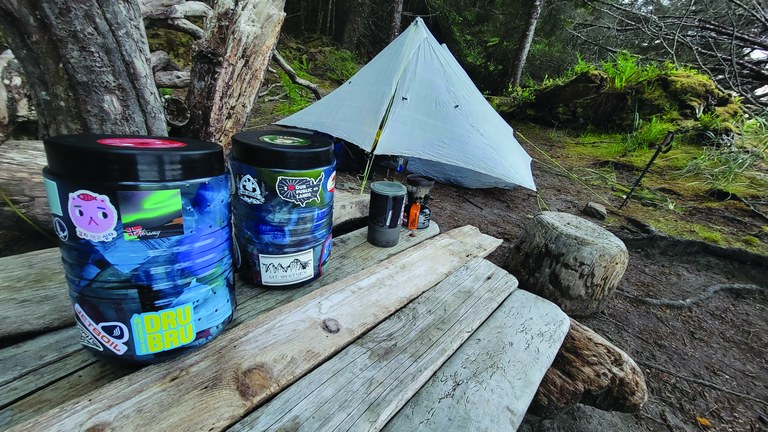
Pro tip: Bear cans can also double as stools if your campsite is lacking seating! Photo by Joe Gonzalez.
These preinstalled cables are sometimes available at established backcountry campsites. Instead of having to find an appropriate tree, one can clip a food bag or canister to the wire and hoist the storage up high enough that bears can’t reach it.
Pros: Easy and quick food storage after dinner. For those without great hand-eye coordination, this is a wonderful opportunity.
Cons: Not available at most locations. One still needs to make sure the food is high enough to keep it away from bears and other food bandits.
If you happen to find one of these large, metal lockers at your camp, let out a sigh of relief! Bear lockers are designed to keep out both bears and rodents and are large enough for several people to store their food inside — you’ll usually be sharing the space with other campers. It’s worth looking to see if you’ll have one where you’re traveling.
Pros: These are maximum-security storage areas. They let hikers carry their food in lightweight bags, and they are free.
Cons: They’re only available at certain campsites. They’re often placed in a centralized location — so they may be some distance from the place you’re sleeping.
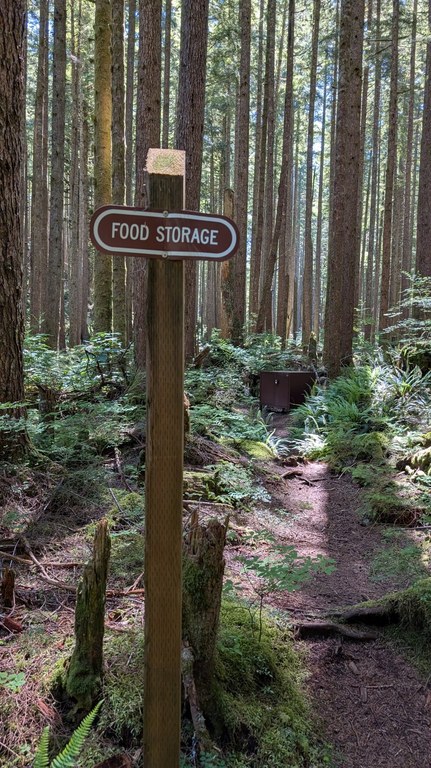
Bear lockers can make things a lot easier in the backcountry. Photo by trip reporter suitcasesinseattle.
So, check the local regulations for the areas you’re planning to backpack. And choose a method that suits both the regulations and your needs. And then practice using the method you’ve decided on ahead of time, so you’re successful in the backcountry. It’s worth the effort — truly!


