 Washington Trails
Association
Washington Trails
Association
Trails for everyone, forever
Washington Trails
AssociationTrails for everyone, forever
Between games, you want to drink in the beauty of Washington. Before you head out for a hike, here are the 5 key things you need to know to have a great time, return safely and show trails respect.
One of the best things about Washington state is our wealth of incredible trails and parks.
Whether you want to check out some nearby hikes in between World Cup games or head to some of our iconic wild places, here are five key things to think about before you hit the trail:
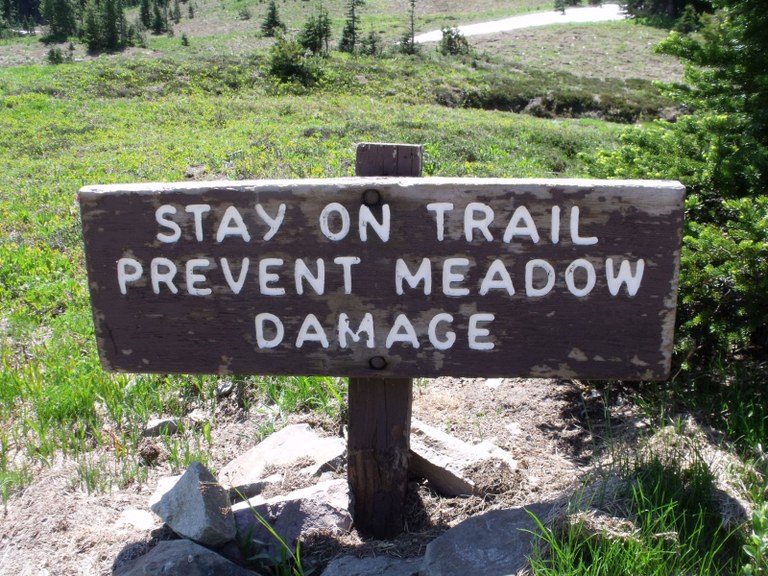
Take care of the beauty!
Reduce stress and lower your chances of an on-trail emergency. After browsing WTA's Hiking Guide and finding your dream hike, research the area, the weather forecast and what to expect.
Checking recent trip reports can tell you a lot about the conditions you'll encounter on trail: Will you encounter a snowfield? Do you need to prepare for a deep water crossing? Have mosquitoes been extra active? If you can't find any recent reports, there are few additional ways you can sleuth out what the current conditions may be. In addition to trip reports, we recommend checking the upcoming weather conditions and the avalanche forecast, if applicable.
Even with thorough research, it's still possible for something to go awry on your way to the trailhead — a freshly fallen tree blocking road access or a jam packed parking lot may force you to change your plans. For that reason, we always recommend having a backup trail in mind before you head out.

Expecting to see snow? You might need to pack a few extra essentials like trekking poles or traction devices for your boots. Photo by Thomas Overlin.
In the Pacific Northwest, we are serious about showing our natural spaces the utmost respect. The fastest way to a red card is leaving trash behind. Here are the rules of the game for hiking like a local.
Finally, be a good sport. Have respect for other visitors, share the trail, be kind and protect the quality of their experience.
For city hikes, you might not need much. But the farther you go, the more important packing. While the contents of your pack may differ depending on the timing, difficulty and location of your hike, there are a few essentials we think should always be included.
The 10 Essentials are an excellent guideline for hikers unsure of what to bring. These include: navigation, hydration, nutrition, insulation, firestarter, first aid, tools, illumination, sun protection and shelter.

Water crossings are everywhere in Washington. Oftentimes a sturdy bridge or log crossing will help you across. Other times, you may need to get your feet wet. Photo by Roger Mosley.
When hiking in a new place, it can be more challenging to navigate risk on trail and to know when to turn back. When your endorphins are running high and you're nearing a view you might only get to see once, it's easy to overlook the risks in front of you and find yourself in a sticky situation.
Early summer in Washington can deliver wild weather and unexpected conditions.
There's a chance you might encounter a situation on trail that you weren't prepared for. A stream is running higher than expected, the weather takes a turn for the worse or a trail seems to disappear into the brush. Before you push onward into uncharted territory, consider the risks associated with continuing, and ask yourself if you are prepared in the event that something goes wrong.
When addressing risks, think about all the possibilities that could occur as a result of your actions, decisions and plans. Not only are you responsible for keeping yourself safe, but you also need to be accountable for how your actions that may impact others. Only put yourself in situations you know you can get out of, and rely on your knowledge and know-how, not someone else to save you if something goes wrong. And remember, it's never a wrong decision to turn around in unsafe conditions.
In Washington alone, search and rescue conducts more than 800 missions a year to help lost and injured outdoor enthusiasts. Each on-trail emergency will be a little different, but remain calm and stick with your group. Then, take the time to observe your surroundings, think through your options, and make a plan. If you need help and are within cell service, calling 911 is your best bet in case of an emergency. For more remote trails, you may need a satellite communication device such as an InReach or Spot in order to call for help.

Washington is home to a lot of friendly (and adorable) wildlife. Just be sure to treat them with respect. Photo by Lydia Strunk.
Washington is home to a large variety of wildlife ranging from common critters like deer, elk, squirrels, pikas, goats and marmots to the slightly-more-intimidating wildlife like bears, cougars, wolves and moose. Wildlife incidents are rare, but it's important to know how to react if you find yourself in an unexpected encounter.
The most important thing to do when encountering wildlife on a hike — regardless of the animal — is to keep your distance. Never approach an animal on trail, and if you're hiking with a dog, be sure to keep them at a safe distance. Before your hike, research which animals are common in the area you plan on visiting, and take note of any special considerations. Don't forget the smallest critters, too. You're far more likely to encounter mosquitoes than moose.
For the safety of both yourself and the wildlife, never attempt to feed an wild animal. It habituates them to humans and is bad for their health. Make sure to keep your food and other scented items close at hand and to pack out any trash you bring in with you — including organic material like apple cores, banana peels and orange rinds.


